Most Australian businesses do not lose money from one big incident. They lose it through small, repeated errors that quietly stack up into real costs.
This guide explains what food safety and compliance mistakes cost businesses money across fines, wasted stock, lost trade, insurance, downtime, and reputational damage.
What are the most common compliance mistakes that trigger direct costs?
The fastest costs usually come from basics that were missed: temperature control, cleaning records, allergen labelling, pest control, and poor staff hygiene practices.
In Australia, councils and state health regulators can issue improvement notices, infringements, or closures when food premises fail to meet expected standards. Even when penalties are modest, the real hit is the time and disruption needed to fix issues while still trying to trade.
How do temperature control failures turn into wasted stock and refunds?
When cool rooms run warm, hot holding drops, or deliveries are not checked, food becomes unsafe and must be thrown out. That is immediate inventory loss.
For many venues, one refrigeration fault can wipe out thousands in meat, dairy, and prepared food. Add customer refunds, remakes, and staff time managing the incident. This is a core example of what food safety and compliance mistakes cost businesses money without any fine being issued.
Why do poor records and missing logs cost more than people expect?
Missing temperature logs, cleaning schedules, and training records can turn a small problem into a bigger compliance response. Regulators often look for evidence that controls are working, not just verbal assurances.
When records are incomplete, businesses may need urgent consultant support, overtime cleaning, equipment servicing, and rapid retraining. They may also face repeat inspections. The admin burden and stop start operations show what food safety and compliance mistakes cost businesses money in a very practical way.
How can allergen mistakes lead to the biggest single financial hit?
Allergen failures can escalate fast because they involve immediate consumer risk, complaints, and potential medical harm. That raises the likelihood of formal investigation and legal action.
Common causes include cross contact on shared utensils, unclear menu information, staff guessing ingredients, and supplier changes not being communicated. Compensation claims, legal fees, and loss of bookings can dwarf the cost of fixing the root cause, proving again what food safety and compliance mistakes cost businesses money at the extreme end.
What do product recalls and withdrawals cost Australian food businesses?
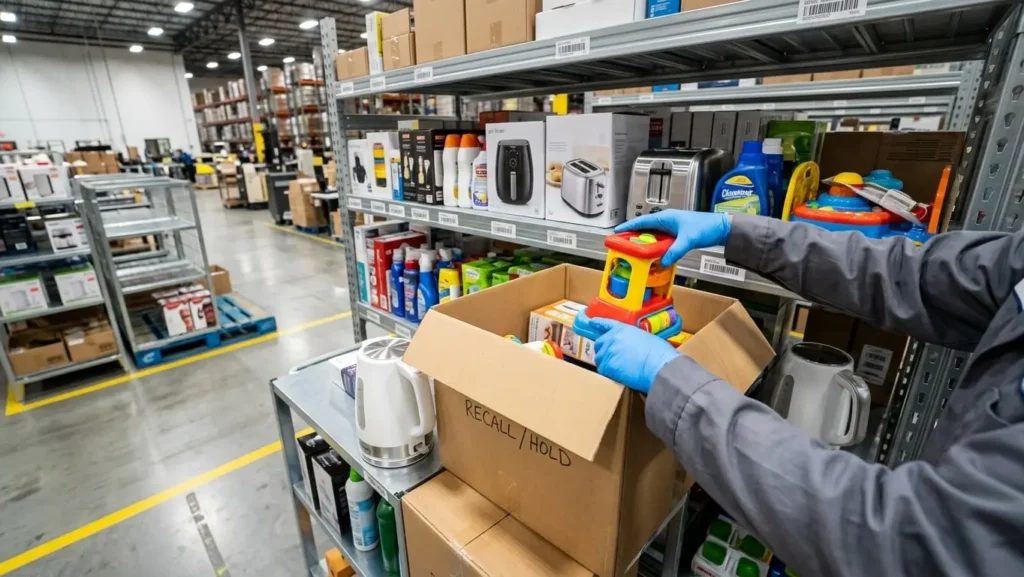
A recall is expensive even before brand damage is considered. They may have to stop distribution, notify customers, arrange logistics, and dispose of stock, often under time pressure.
They can also face retailer penalties, chargebacks, and lost shelf space. For manufacturers, importers, and co packers, the ripple effect can hit cashflow for months. Recalls are a clear case study in what food safety and compliance mistakes cost businesses money across the entire supply chain.
How do pest issues translate into real dollars lost?
Pests are not just a hygiene issue. They create contamination risk, trigger enforcement action, and can lead to destroyed stock, deep cleans, and emergency pest treatments.
If customers see evidence of pests, reviews can be brutal and long lasting. In hospitality, that often means fewer bookings immediately. In retail and manufacturing, it can also mean audits, delisting, and contract loss, which is another way what food safety and compliance mistakes cost businesses money beyond the obvious.
What does a failed inspection actually cost, beyond the fine?
A failed inspection can cause reinspection fees, urgent rectification works, and downtime. If they are forced to close, even briefly, wages, rent, and supplier commitments continue.
They may also need to replace equipment, reconfigure processes, or pay for specialist cleaning. The opportunity cost matters too: managers spend days on corrective actions instead of improving sales and service. This is often the hidden core of what food safety and compliance mistakes cost businesses money.
How can training gaps increase labour costs and shrink margins?
When staff are unclear on safe processes, mistakes multiply: incorrect cooling, poor cleaning, allergen confusion, and unsafe reheating. Each error creates rework, wasted product, and customer recovery time.
High turnover makes this worse, especially in cafes, pubs, clubs, aged care catering, and quick service. Regular refreshers, clear SOPs, and supervision cost money, but the alternative shows exactly what food safety and compliance mistakes cost businesses money through constant leakage.
Why do cleaning and sanitation failures cause repeat expenses?
Inadequate cleaning can lead to contamination, odours, equipment wear, and pest attraction. Then they pay twice: first in rushed deep cleans, then in ongoing inefficiency.
Grease build up can also increase fire risk and insurance exposure, particularly in kitchens with extraction systems. When cleaning is reactive, they often need after hours contractors at premium rates, reinforcing what food safety and compliance mistakes cost businesses money over and over.
How do equipment and maintenance problems become compliance problems?
Broken probe thermometers, inaccurate cool room gauges, worn door seals, and failing dishwashers do not just reduce efficiency. They undermine food safety controls.
If equipment cannot consistently hit safe temperatures or sanitising standards, they may be forced to discard food, change menus, or pause production. Emergency repairs are expensive, and repeated faults can trigger regulator attention, another angle on what food safety and compliance mistakes cost businesses money.
What are the insurance, legal, and compensation costs after an incident?
After a suspected foodborne illness complaint, they may face investigations, legal advice, insurer notifications, and time consuming documentation. Even if they are not found at fault, response costs can be significant.
If they are found responsible, compensation, increased premiums, and policy exclusions can apply. The long tail costs are often ignored when discussing what food safety and compliance mistakes cost businesses money, but they can be the difference between a bad month and a business ending event.
How does reputational damage reduce revenue in Australian local markets?
In many Australian suburbs and regional towns, word travels quickly. A single social post about poor hygiene or an allergen scare can drop foot traffic overnight.
They then spend more on marketing, discounts, and review management just to stabilise trade. Some venues never recover their previous weekly takings. Reputation loss is one of the hardest parts of what food safety and compliance mistakes cost businesses money because it is slow to fix and hard to measure.
How do lost contracts and failed audits affect suppliers and manufacturers?
For businesses supplying supermarkets, airlines, mining camps, schools, or aged care, audits are non negotiable. A failed audit can mean delisting, suspended orders, or probation with extra oversight.
They may need external consultants, corrective action projects, retesting, and additional verification. The cost of compliance is visible, but the cost of losing a contract is the clearest proof of what food safety and compliance mistakes cost businesses money at scale.

What does downtime and disruption cost when operations are forced to change?
When a kitchen closes for rectification, or a line stops due to contamination risk, the business still pays wages, rent, and utilities. They may also face spoiled stock and missed delivery windows.
For caterers, one cancelled event can mean refunds, lost future bookings, and staff standing down. Operational disruption is a major part of what food safety and compliance mistakes cost businesses money, especially when it happens during peak periods.
How can businesses reduce these costs without overcomplicating compliance?
They can reduce risk by focusing on simple controls that are checked daily: calibrated thermometers, clear temperature limits, allergen procedures, documented cleaning, and refresher training. They should also maintain equipment proactively and keep supplier information current.
Most savings come from consistency. When controls are routine, issues are caught early and fixed cheaply. That is the practical takeaway from what food safety and compliance mistakes cost businesses money in Australia.
More to Read : How To Build An Online HACCP Plan Step By Step
FAQs (Frequently Asked Questions)
What are the most common food safety compliance mistakes that lead to direct financial costs for Australian businesses?
The most common compliance mistakes include missed basics such as temperature control failures, incomplete cleaning records, incorrect allergen labelling, inadequate pest control, and poor staff hygiene practices. These errors often trigger fines, improvement notices, or even closures from councils and state health regulators, resulting in time loss and operational disruption.
How do temperature control failures contribute to wasted stock and increased business expenses?
Temperature control failures like warm cool rooms, improper hot holding, or unchecked deliveries cause food to become unsafe and require disposal. This leads to immediate inventory loss which can amount to thousands of dollars especially in meat, dairy, and prepared foods. Additionally, businesses incur costs from customer refunds, remakes, and extra staff time managing these incidents.
Why do poor record-keeping and missing logs escalate compliance issues and costs?
Incomplete temperature logs, cleaning schedules, and training records prevent proof that safety controls are effective. Regulators may respond with urgent interventions requiring consultant support, overtime cleaning, equipment servicing, retraining staff, and repeat inspections. This administrative burden causes stop-start operations and increased operational costs beyond initial fines.
How can allergen-related mistakes result in significant financial losses for food businesses?
Allergen failures pose immediate consumer health risks leading to complaints, investigations, legal actions, compensation claims, legal fees, and lost bookings. Common causes include cross contact on shared utensils, unclear menu information, staff guessing ingredients, and uncommunicated supplier changes. These factors can cause financial hits far exceeding the cost of correcting root causes.
What are the financial implications of product recalls and withdrawals for Australian food businesses?
Recalls involve stopping distribution, notifying customers, arranging logistics for returns or disposal under tight deadlines. Businesses face retailer penalties, chargebacks, lost shelf space, and disrupted cash flow lasting months. This impact spans manufacturers to co-packers across the supply chain and significantly affects revenue before brand damage is even considered.
In what ways do pest infestations translate into real monetary losses for food service establishments?
Pests cause contamination risks triggering enforcement actions that lead to destroyed stock, deep cleans, emergency treatments, and potential facility closures. Customer exposure to pests results in negative reviews reducing bookings immediately in hospitality settings. Retailers may conduct audits leading to delisting or contract loss. These consequences represent hidden but substantial financial damages beyond hygiene concerns.