What Is The Danger Zone For Food And Why It Matters

What Is The Danger Zone For Food And Why It Matters

Food safety sounds simple until someone gets sick from a meal that looked and smelled fine. In Australia, the biggest everyday risk is temperature control, because bacteria grow fast when food sits in the wrong range.

This guide explains what is the danger zone for food and why small choices at home, at work, and on the road can make a big difference.

What is the danger zone for food in Australia?

What is the danger zone for food? It is the temperature range where harmful bacteria can grow quickly, making food unsafe. In Australia, food safety guidance commonly treats the danger zone as between 5°C and 60°C.

When food sits in that range for too long, bacteria can multiply without obvious signs. That is why temperature control is a core focus of NSW Food Authority and other state-based food safety programs.

Why does the danger zone matter if food looks and smells fine?

The danger is that many pathogens do not change the taste, smell, or appearance of food. What is the danger zone for food becomes critical because bacteria can reach unsafe levels before anyone notices anything is off.

They can serve a dish that seems fine, then hours later deal with vomiting, diarrhoea, fever, or cramps. For vulnerable people, the consequences can be more severe.

What Is The Danger Zone For Food And Why It Matters

Which foods are most risky in the danger zone?

High-risk foods are those that support fast bacterial growth, especially when moist and protein-rich. What is the danger zone for food matters most for foods like cooked rice, pasta, meats, poultry, seafood, dairy, eggs, and prepared salads.

Ready-to-eat items are also risky because there is no further cooking step to kill bacteria. If they are held warm or left on a bench, the window for safe eating can shrink quickly.

How long can food safely stay in the danger zone?

Time is the multiplier. What is the danger zone for food is not just about temperature, but how long food stays there.

A common practical rule used in Australian food handling is to minimise time in 5°C to 60°C and avoid leaving perishable food out for extended periods. If they are unsure how long it has been out, the safest choice is to throw it out.

What happens to bacteria between 5°C and 60°C?

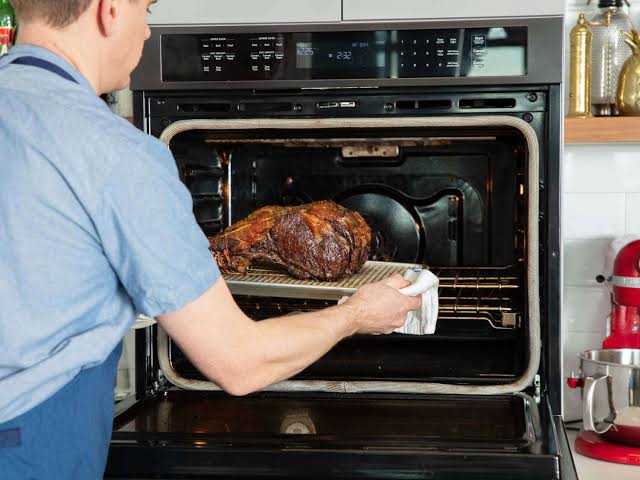
Between 5°C and 60°C, bacteria can reproduce quickly, especially closer to warm room temperatures. What is the danger zone for food explains why a roast left to cool slowly on the bench can become risky even before it is refrigerated.

Some bacteria can also produce toxins that are not destroyed by reheating. That means food can be heated later and still cause illness.

How should they store cold food to stay out of the danger zone?

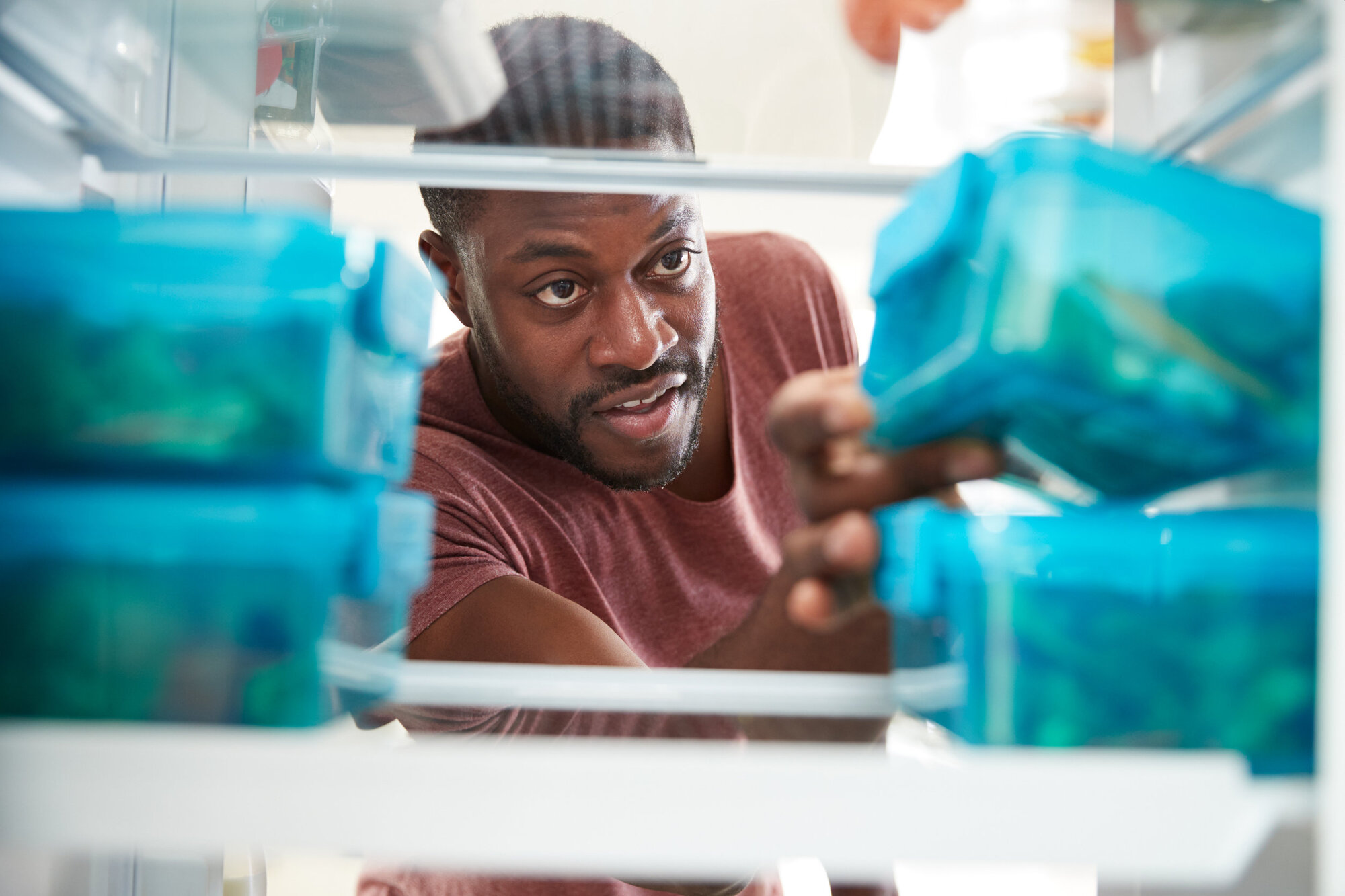
Cold storage works when fridges actually hold food at 5°C or below. What is the danger zone for food becomes relevant when fridges are overloaded, doors are opened constantly, or settings drift warmer.

They should keep raw meats covered and stored low to prevent dripping onto ready-to-eat foods. It also helps to use a fridge thermometer, because dial settings do not guarantee safe temperatures.

How should they keep hot food out of the danger zone?

Hot holding is safe when food is kept at 60°C or above. What is the danger zone for food is why buffets, bain-maries, and slow cookers can be risky if they do not maintain proper heat.

They should stir hot-held foods, keep lids on where possible, and avoid topping up trays with fresh food unless the whole batch is kept at safe temperatures. If food has cooled, it should be reheated properly, not just warmed.

How should leftovers be cooled quickly and safely?

Cooling is where many people slip up. What is the danger zone for food is why big pots of curry or soup should not be left to cool on the bench for hours.

They can speed cooling by dividing food into shallow containers, leaving steam to escape briefly, then refrigerating. In Australian summers, quick cooling matters even more because kitchens stay warmer longer.

How should they reheat food so it is safe?

Reheating should be fast and thorough. What is the danger zone for food matters because slow reheating can keep food in the risky range for too long.

They should reheat leftovers until they are steaming hot all the way through, then serve immediately. If they are reheating in a microwave, stirring and standing time helps reduce cold spots.

What common kitchen habits accidentally create danger zone risks?

Small habits can keep food in the wrong range without anyone noticing. What is the danger zone for food explains why these are common traps in Australian homes:

They leave cooked food out while chatting, then pack it away later. They thaw meat on the bench. They cool big containers in the fridge, warming everything else. They also rely on “it was only out for a bit” without tracking time.

How does grocery shopping and transport affect food safety?

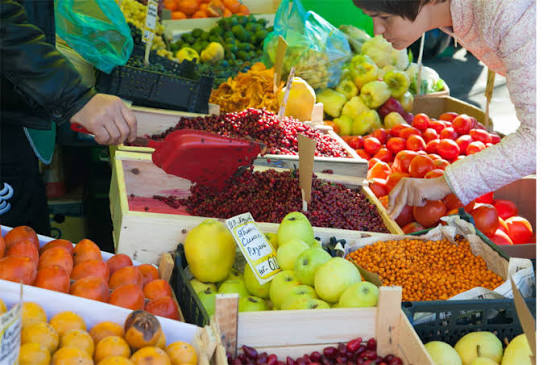
The trip home matters, especially in suburban traffic or regional drives. What is the danger zone for food is why chilled and frozen items should be collected last and packed together.

They can use an insulated bag or esky with an ice brick for longer trips, like driving from a Perth farmers market back to the hills, or from the Sunshine Coast down to Brisbane suburbs. If food warms up in the car, it may not be safe later.

What Is The Danger Zone For Food And Why It Matters

What should they do at barbecues, picnics, and beach days?

Outdoor eating is classic Australia, but heat and time increase risk. What is the danger zone for food is why salads, dips, prawns, and cooked meats should not sit out in the sun.

They should keep cold foods in an esky until serving, and return them quickly. Hot foods should be eaten soon after cooking, not left on the grill edge. If flies, heat, and time pile up, binning leftovers is often the safest call.

How can they check temperatures without guessing?

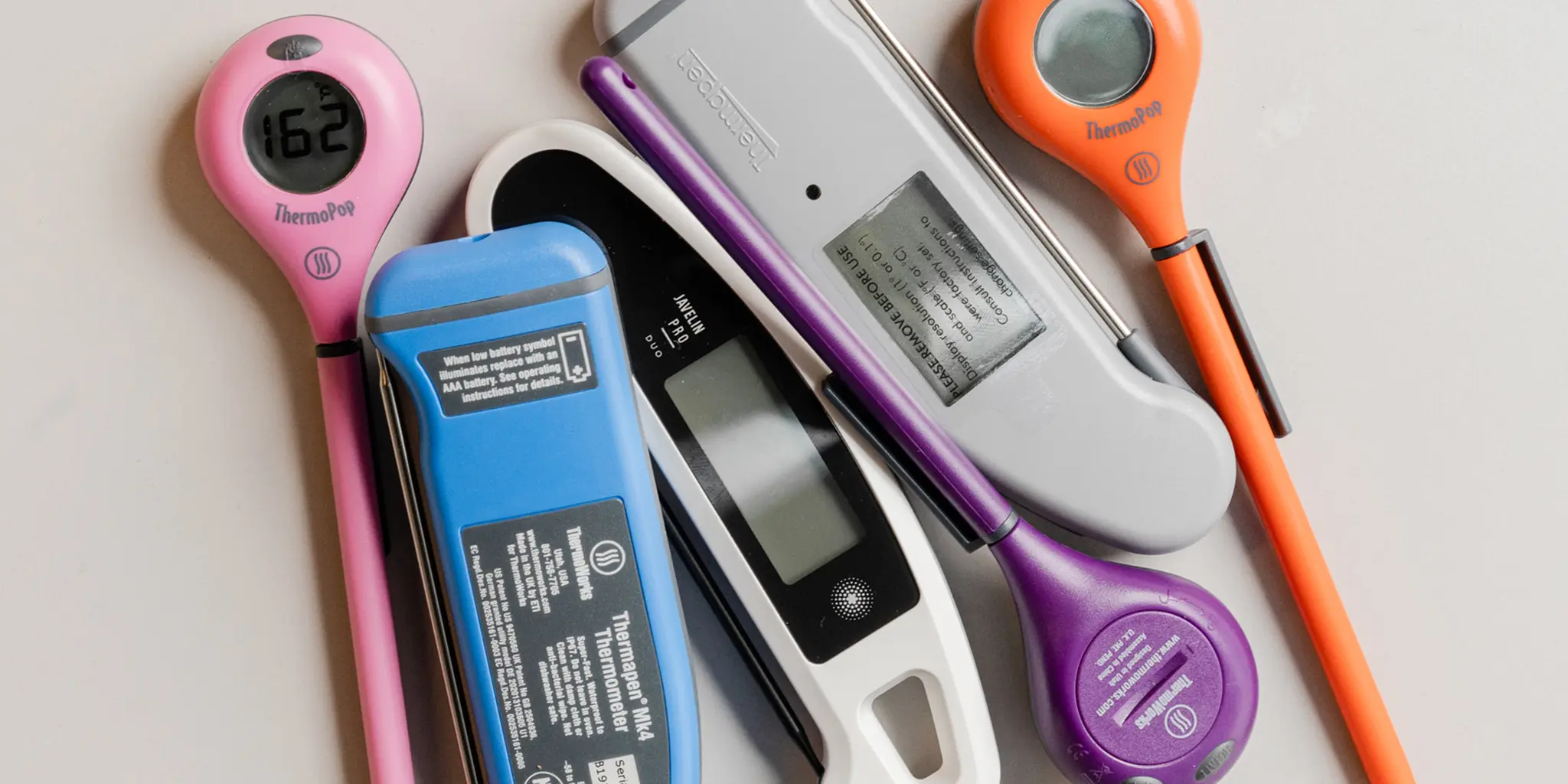
Guessing is where safety becomes luck. What is the danger zone for food is easiest to manage with a simple probe thermometer and a fridge thermometer.

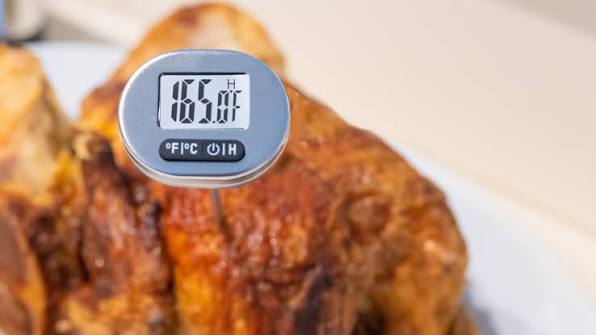
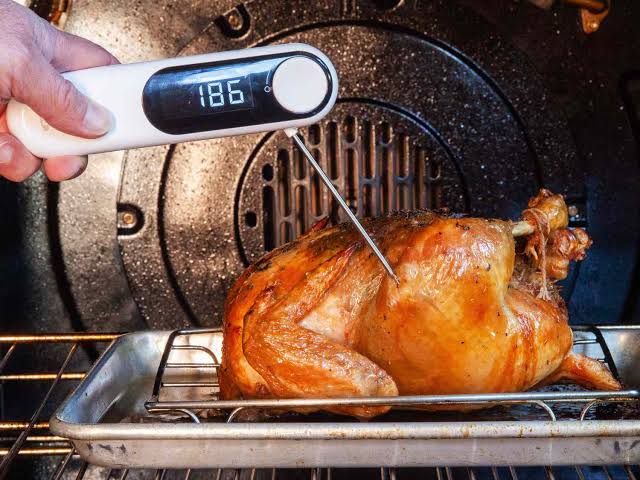
They can check that the fridge is 5°C or below, and confirm hot food is held at 60°C or above. For reheating and cooking, they can check the thickest part of the food rather than relying on colour or feel.

What are the key takeaways they should remember?

What is the danger zone for food comes down to one practical idea: keep cold food cold, keep hot food hot, and move quickly when cooling, transporting, or reheating. Most mistakes happen during the in-between moments.

If they build simple routines around 5°C and 60°C, food safety becomes far less stressful, and far less reliant on hoping for the best.

What is the danger zone for food in Australia and why is it important?

The danger zone for food in Australia is the temperature range between 5°C and 60°C, where harmful bacteria can grow rapidly, making food unsafe to eat. Managing this temperature range is crucial because bacteria can multiply without changing the taste, smell, or appearance of food, leading to foodborne illnesses.

Why can food that looks and smells fine still be unsafe to eat?

Many harmful bacteria do not alter the taste, smell, or appearance of food. Food kept within the danger zone (5°C to 60°C) for too long can harbor dangerous levels of bacteria, causing symptoms like vomiting, diarrhoea, fever, or cramps even if the food seems fine.

Which foods are most at risk when left in the danger zone?

High-risk foods include moist and protein-rich items such as cooked rice, pasta, meats, poultry, seafood, dairy products, eggs, prepared salads, and ready-to-eat items. These foods support fast bacterial growth if kept between 5°C and 60°C for extended periods.

How long can perishable food safely remain in the danger zone?

Perishable foods should spend minimal time within the danger zone (5°C to 60°C). The longer food stays in this temperature range, the higher the risk of bacterial growth. If unsure how long food has been in this range, it’s safest to discard it to prevent illness.

What are best practices for storing cold and hot foods to avoid the danger zone?

Cold foods should be stored at 5°C or below in a properly functioning fridge with adequate airflow and not overloaded. Raw meats should be covered and stored below ready-to-eat foods to prevent cross-contamination. Hot foods must be kept at 60°C or above using appropriate equipment like buffets or bain-maries and reheated thoroughly before serving.

How should leftovers be cooled and reheated safely to minimize risk?

Leftovers should be cooled quickly by dividing them into shallow containers and refrigerating promptly after allowing steam to escape briefly. Reheating should be fast and thorough until steaming hot throughout; stirring microwaved food helps eliminate cold spots. Avoid slow cooling or reheating that keeps food within the danger zone for extended times.

Food Danger Zone Rules Every Kitchen Should Post And Follow

Food Danger Zone Rules Every Kitchen Should Post And Follow

Food safety is not just a “commercial kitchen” issue. The same basics apply in Australian homes, share houses, childcare kitchens, community halls, and workplace lunchrooms.

The simplest poster any kitchen can put up is a clear set of food danger zone rules. When everyone follows the same temperature and time limits, they cut the risk of foodborne illness fast.

What is the food danger zone in Australia?

In Australia, the food danger zone is between 5°C and 60°C, where bacteria can grow quickly. Most food danger zone rules are built around keeping food out of that range as much as possible.

If a kitchen remembers only one thing, it is this. Keep cold food cold, hot food hot, and move food through the middle range quickly.

Why should every kitchen post food danger zone rules?

Posting food danger zone rules makes safe habits obvious and consistent, especially when multiple people use the kitchen. A printed reminder helps reduce “I thought someone else put it away” moments.

It also helps visitors, teenagers, housemates, and casual staff follow the same standard. Clear rules reduce guesswork when they are tired, rushed, or distracted.

How long can food safely stay in the danger zone?

Australian guidance commonly uses the 2-hour and 4-hour rule for time in the danger zone. These food danger zone rules help decide whether food can be saved or must be thrown out.

If total time in 5°C to 60°C is:

  • Less than 2 hours: they can refrigerate it or use it soon.
  • 2 to 4 hours: they should use it immediately.
  • More than 4 hours: they should discard it.
Food Danger Zone Rules Every Kitchen Should Post And Follow

What temperatures should fridges and freezers be set to?

A fridge should be kept at 5°C or below, and a freezer at -15°C or below (many households aim for -18°C). These targets support food danger zone rules by slowing or stopping bacterial growth.

They should not rely on the dial setting alone. A simple fridge thermometer makes it clear if the fridge is actually holding safe temperatures in an Australian summer.

How should they cool hot food quickly and safely?

They should cool cooked food fast so it spends minimal time in the danger zone. Strong food danger zone rules focus on speed, portion size, and airflow.

Good cooling habits include:

  • Portioning into shallow containers.
  • Leaving space around containers in the fridge.
  • Avoiding putting a huge hot pot straight into the fridge.
  • Stirring soups and sauces to release heat.

Should they put hot food straight into the fridge?

They can refrigerate hot food, but they should do it in a way that does not warm the whole fridge. The goal of food danger zone rules is to protect both the food and everything else stored nearby.

They can split food into smaller containers first, then refrigerate. If the fridge is already full, they should wait briefly for steam to drop, then chill in shallow portions rather than one deep container.

What internal cooking temperatures should they aim for?

Cooking temperatures matter because heat kills pathogens. While specific targets vary by food type, food danger zone rules work best when kitchens use a thermometer, not guesses.

As a practical baseline, they should cook high-risk foods until they are steaming hot throughout. For poultry, minced meats, rolled roasts, and leftovers, a probe thermometer is the simplest way to confirm safety.

How should they reheat leftovers safely?

They should reheat leftovers until they are steaming hot all the way through, then serve promptly. This is where food danger zone rules prevent slow warming on the bench that lets bacteria multiply.

They should reheat only what they plan to eat. Reheating the same container repeatedly increases time in the danger zone and raises contamination risk from repeated handling.

Which foods are highest risk in the danger zone?

High-risk foods are typically moist, protein-rich, and ready to eat. Food danger zone rules matter most for foods that can support fast bacterial growth.

Common examples in Australian kitchens include:

  • Cooked rice and pasta
  • Cooked meats and poultry
  • Seafood
  • Dairy-based foods, custards, and cream
  • Gravies, soups, and stews
  • Pre-made salads and sandwiches

What are the safest rules for cooked rice?

Cooked rice is a common source of illness when cooled slowly. Food danger zone rules for rice should be strict: cool it fast, refrigerate quickly, and reheat until steaming.

They should avoid leaving rice on the bench “to cool” for long periods. If they cannot chill it quickly, it is safer to discard it than risk Bacillus cereus toxins that reheating may not destroy.

How should they thaw frozen food without entering the danger zone?

They should thaw food in the fridge, in the microwave (then cook immediately), or sealed in cold water changed regularly. These steps align with food danger zone rules by limiting time between 5°C and 60°C.

They should avoid thawing meat on the bench. In many Australian homes, ambient temperatures can rise quickly, even outside summer, and the surface of the food can warm into the danger zone while the centre stays frozen.

What rules should they follow for BBQs, picnics, and beach days?

Outdoor eating is where people forget time and temperature. Food danger zone rules should be even tighter for BBQs in Australian heat.

They should:

  • Keep raw meats in an esky with plenty of ice or freezer bricks.
  • Store cooked food separately from raw.
  • Serve small batches and restock from the esky.
  • Discard perishable foods left out too long, especially salads with mayo.

How can they stop cross-contamination in everyday cooking?

They should treat raw meat, poultry, and seafood as contamination sources. Food danger zone rules reduce growth, but cross-contamination spreads bacteria regardless of temperature.

Simple habits help:

  • Separate boards for raw and ready-to-eat foods.
  • Wash hands with soap after handling raw items.
  • Clean and sanitise benches, knives, and boards.
  • Keep raw meat sealed on the lowest fridge shelf to prevent drips.

Do they really need a food thermometer at home?

Yes, if they want consistent safety with less guesswork. A thermometer supports food danger zone rules by confirming fridges are cold enough and foods are hot enough.

They do not need expensive gear. A basic probe thermometer and a fridge thermometer cover most household risks, from roast chicken to leftovers to a fridge that struggles during a Queensland summer.

Food Danger Zone Rules Every Kitchen Should Post And Follow

What is the simplest poster they can put on the fridge today?

A short poster works best when it is readable at a glance. The most useful food danger zone rules fit on one page and focus on temperature and time.

They can post:

  • Danger zone: 5°C to 60°C
  • Cold food: ≤ 5°C
  • Hot holding: ≥ 60°C
  • 2-hour and 4-hour rule
  • Reheat until steaming hot
  • Cool quickly in shallow containers

When should they throw food out, no questions asked?

They should discard food if it smells off, has been left out too long, or they cannot confirm it stayed safe. Food danger zone rules are conservative because the cost of getting it wrong can be serious.

They should not “taste test” questionable food. Many foodborne pathogens do not change smell, taste, or appearance, especially in foods like rice, dairy, and cooked meats.

How can they make these rules stick in a busy household?

They should build routines that make safe choices the default. The best food danger zone rules are the ones people can follow without extra effort.

They can keep shallow containers ready, label leftovers with dates, and store a thermometer where it is easy to grab. If they meal prep, they should schedule cooling time and fridge space as part of the plan, not an afterthought.

What are the key takeaways every Australian kitchen should follow?

They should remember that the danger zone is 5°C to 60°C, and time in that range matters. If they consistently follow food danger zone rules, they dramatically reduce the most common food safety risks.

They should keep fridges cold, cool leftovers fast, reheat until steaming, and use the 2-hour and 4-hour rule without negotiation. When they are unsure, they should throw it out.

What is the food danger zone in Australia and why is it important?

In Australia, the food danger zone refers to temperatures between 5°C and 60°C where bacteria can grow rapidly. Following food danger zone rules to keep food out of this temperature range helps reduce the risk of foodborne illness by preventing bacterial growth.

How long can food safely stay in the Australian food danger zone?

Australian guidelines use the 2-hour and 4-hour rule for time spent in the danger zone: less than 2 hours means food can be refrigerated or used soon; between 2 to 4 hours means it should be used immediately; over 4 hours means the food should be discarded to prevent illness.

What are the recommended fridge and freezer temperatures to support food safety?

Fridges should be kept at 5°C or below, and freezers at -15°C or below (many aim for -18°C). These temperatures slow or stop bacterial growth, supporting food danger zone rules. Using a fridge thermometer is advised to ensure accurate temperatures, especially during hot Australian summers.

How can I cool hot cooked food quickly and safely according to food safety rules?

To cool hot food safely, portion it into shallow containers, leave space around containers in the fridge for airflow, avoid placing large hot pots directly into the fridge, and stir soups or sauces to release heat. This minimizes time spent in the danger zone and reduces bacterial growth risks.

What are safe practices for reheating leftovers in Australian kitchens?

Leftovers should be reheated until steaming hot all the way through and served promptly. Only reheat what you plan to eat, as repeated reheating increases time in the danger zone and contamination risk. Avoid slow warming on benches which allows bacteria to multiply.

Which foods are considered high risk in the Australian food danger zone?

High-risk foods are typically moist, protein-rich, and ready-to-eat items that support fast bacterial growth. Common examples include cooked rice and pasta, cooked meats and poultry, seafood, dairy-based foods like custards and cream, gravies, soups, stews, pre-made salads, and sandwiches. Strict adherence to food danger zone rules is essential for these foods.

food temperature monitoring systems

Smart Sensors and the Future of Food Temperature Monitoring

In an age where technology permeates every aspect of our lives, the food industry is no exception. The demand for food safety and quality has never been higher, and monitoring temperature is a critical component in ensuring that food remains safe for consumption. Enter smart sensors—innovative devices that are revolutionising the way we monitor food temperature. This article explores the role of smart sensors in food temperature monitoring and their potential to shape the future of the food industry.

Understanding Smart Sensors

Smart sensors are advanced devices equipped with the ability to collect, process, and communicate data in real-time. Unlike traditional sensors, which merely measure temperature, smart sensors can analyse data, detect anomalies, and even send alerts to users. This capability makes them invaluable in various applications, particularly in the food sector.

How Smart Sensors Work

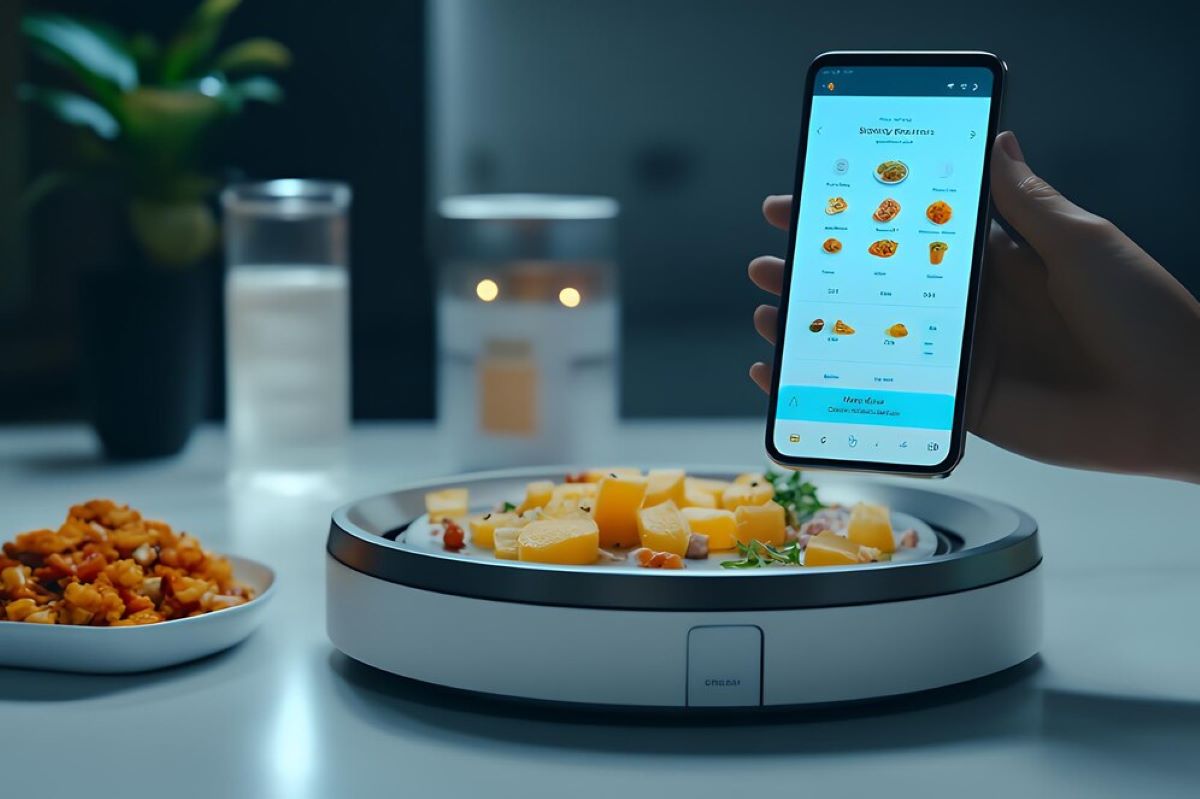
At the core of smart sensors is a combination of hardware and software that enables them to function effectively. These devices typically consist of a temperature probe, a microcontroller, and wireless communication technology. When the temperature changes, the sensor detects this variation and processes the information. If the temperature exceeds or falls below a predetermined threshold, the sensor can trigger an alert via a smartphone app or a central monitoring system.

This real-time monitoring allows businesses to respond promptly to temperature fluctuations, minimising the risk of spoilage and ensuring compliance with food safety regulations. Moreover, the data collected can be analysed over time, providing insights into trends and helping to optimise storage conditions. For instance, by identifying patterns in temperature changes, businesses can adjust their storage practices, leading to improved efficiency and reduced waste. This proactive approach not only enhances product quality but also contributes to sustainability efforts within the industry.

Types of Smart Sensors

Smart sensors come in various forms, each designed to cater to specific needs within the food industry. Some common types include:

  • Infrared Sensors: These sensors measure temperature without direct contact, making them ideal for monitoring food in transit or within display cases.
  • Wireless Temperature Loggers: These devices continuously record temperature data and can be accessed remotely, allowing for efficient monitoring of storage conditions.
  • Smart Thermocouples: Used for precise temperature measurements, these sensors are often employed in cooking processes to ensure food is cooked to the correct temperature.

In addition to these, there are also smart humidity sensors that play a crucial role in maintaining the quality of perishable goods. These sensors monitor moisture levels in storage environments, preventing mould growth and ensuring that products like fruits and vegetables remain fresh for longer periods. Furthermore, advancements in sensor technology have led to the development of multi-sensor systems that can monitor not just temperature and humidity, but also factors such as gas levels and light exposure, providing a comprehensive overview of the conditions affecting food safety and quality.

The Importance of Temperature Monitoring in Food Safety

Temperature control is a fundamental aspect of food safety. Improper temperature management can lead to the growth of harmful bacteria, resulting in foodborne illnesses. The World Health Organisation estimates that nearly 600 million people fall ill after eating contaminated food each year. Therefore, implementing effective temperature monitoring is crucial for safeguarding public health.

Regulatory Compliance

Food businesses are required to adhere to strict regulations regarding temperature control. In Australia, the Food Standards Australia New Zealand (FSANZ) sets guidelines that dictate the safe temperature ranges for various food items. Failure to comply with these regulations can result in hefty fines, legal repercussions, and damage to a company’s reputation.

Smart sensors can assist businesses in maintaining compliance by providing accurate, real-time data. This not only helps in meeting regulatory requirements but also fosters a culture of accountability and responsibility within the organisation.

Reducing Food Waste

Food waste is a significant issue globally, with an estimated one-third of all food produced going to waste. By employing smart sensors for temperature monitoring, businesses can drastically reduce spoilage. These devices enable timely interventions, such as adjusting storage conditions or redistributing stock, thereby minimising waste and maximising profits.

food temperature monitoring systems

Applications of Smart Sensors in the Food Industry

The versatility of smart sensors allows them to be used in various areas of the food industry, from production to distribution. Here are some notable applications:

Cold Chain Management

The cold chain refers to the temperature-controlled supply chain that is essential for preserving perishable goods. Smart sensors play a pivotal role in monitoring temperatures throughout this chain, ensuring that food remains within safe temperature ranges during storage and transportation.

By integrating smart sensors into their logistics systems, companies can track temperature data in real-time, allowing for immediate action if temperatures deviate from the norm. This not only protects the quality of the food but also reduces the risk of financial losses due to spoilage.

Food Processing and Cooking

In food processing facilities and kitchens, maintaining the correct cooking temperatures is vital for both safety and quality. Smart sensors can monitor cooking equipment, alerting staff if temperatures fall outside of safe ranges. This ensures that food is cooked thoroughly, thereby eliminating harmful pathogens.

Moreover, these sensors can be integrated into automated cooking systems, allowing for precise temperature control that enhances the consistency and quality of the final product.

Retail and Consumer Applications

In retail environments, smart sensors can be used to monitor the temperature of display cases and storage areas. This ensures that products remain safe for consumers while also maintaining their quality. Additionally, some smart sensors are designed for consumer use, enabling individuals to monitor the temperature of their food at home.

These applications not only promote food safety but also empower consumers to make informed choices regarding their food, fostering a culture of awareness and responsibility.

The Future of Smart Sensors in Food Temperature Monitoring

The future of smart sensors in food temperature monitoring systems looks promising, with advancements in technology paving the way for even more innovative solutions. As the Internet of Things (IoT) continues to evolve, the integration of smart sensors with other devices will enhance their capabilities and applications.

Integration with IoT and AI

As IoT technology becomes more prevalent, smart sensors will increasingly be connected to centralised systems that can analyse data from multiple sources. This integration will allow for more sophisticated monitoring and predictive analytics, enabling businesses to anticipate potential issues before they arise.

Artificial intelligence (AI) will also play a significant role in the future of smart sensors. By analysing historical data, AI algorithms can identify patterns and suggest optimal temperature ranges for various food items, further enhancing food safety and quality.

Enhanced User Experience

Future smart sensors are likely to feature more user-friendly interfaces, making it easier for businesses and consumers to monitor food temperatures. Mobile applications will provide real-time alerts, historical data analysis, and even recommendations for improving food safety practices.

This enhanced user experience will not only streamline operations for businesses but also empower consumers to take control of their food safety practices at home.

food temperature monitoring systems

Conclusion

Smart sensors are set to transform the landscape of food temperature monitoring, offering innovative solutions that enhance food safety, reduce waste, and ensure compliance with regulations. As technology continues to advance, the integration of smart sensors with IoT and AI will further optimise their capabilities, making them indispensable tools in the food industry.

Embracing these technologies is not just a matter of staying competitive; it is essential for safeguarding public health and ensuring the quality of food products. As the future unfolds, the role of smart sensors in food temperature monitoring will undoubtedly become more prominent, paving the way for a safer and more efficient food supply chain.

More to Read : Comparing Temperature Monitoring Systems for Food Industry Applications

temperature monitoring systems

Comparing Temperature Monitoring Systems for Food Industry Applications

In the food industry, maintaining the correct temperature is crucial for ensuring food safety and quality. Temperature monitoring systems play a vital role in this process, helping businesses comply with regulations and maintain high standards. With numerous options available, selecting the right temperature monitoring system can be a daunting task. This article delves into various systems, comparing their features, benefits, and suitability for different food industry applications.

Understanding the Importance of Temperature Monitoring

Temperature control is essential in the food industry, as improper temperature can lead to food spoilage, contamination, and even foodborne illnesses. The consequences of failing to monitor temperatures can be severe, including financial loss, legal ramifications, and damage to a business’s reputation. In a sector where trust is paramount, the ability to guarantee the safety and quality of food products is not just a regulatory requirement but a fundamental aspect of customer service.

Temperature monitoring systems help ensure that food products are stored and transported within safe temperature ranges. They provide real-time data, allowing businesses to react promptly to any deviations, thus safeguarding both the product and the consumer. With advancements in technology, many of these systems now offer remote monitoring capabilities, enabling managers to oversee temperature fluctuations from anywhere, thus enhancing operational efficiency and response times.

Regulatory Compliance

Food businesses are subject to strict regulations regarding food safety. Temperature monitoring systems assist in maintaining compliance with these regulations, such as those set by the Food Standards Australia New Zealand (FSANZ). Regular monitoring and documentation of temperatures can help businesses avoid penalties and ensure they meet industry standards. Moreover, these systems often come equipped with alert features that notify staff immediately when temperatures exceed safe thresholds, allowing for swift corrective actions that can prevent costly losses.

Quality Assurance

Beyond compliance, temperature monitoring systems contribute to overall quality assurance. By maintaining optimal temperatures, businesses can preserve the freshness and flavour of their products, leading to higher customer satisfaction and repeat business. This is particularly crucial in sectors such as the dairy and meat industries, where even slight deviations can compromise product integrity. Furthermore, consistent temperature control can enhance the shelf life of products, reducing waste and maximising profitability, which is vital in an increasingly competitive market.

In addition to these practical benefits, effective temperature monitoring can also serve as a marketing tool. Businesses that can demonstrate their commitment to food safety and quality through transparent temperature tracking are likely to build stronger relationships with their customers. Consumers today are more informed and concerned about food safety than ever before, and showcasing robust monitoring practices can differentiate a brand in a crowded marketplace, fostering loyalty and trust among discerning consumers.

Types of Temperature Monitoring Systems

There are several types of temperature monitoring systems available, each with its own set of features and functionalities. Understanding these types can help businesses choose the most suitable system for their specific needs.

Manual Monitoring Systems

Manual monitoring systems involve regular checks of temperature using handheld thermometers. While this method is straightforward and low-cost, it is labour-intensive and prone to human error. Manual systems are often suitable for small businesses or those with limited budgets, but they may not provide the level of accuracy and reliability needed for larger operations.

Digital Data Loggers

Digital data loggers are more advanced than manual systems, offering automated temperature recording. These devices can store temperature data over time, providing businesses with a comprehensive record of temperature fluctuations. Many digital loggers come with alarm functions that alert users to any deviations from set temperature ranges, allowing for immediate corrective action.

Wireless Temperature Monitoring Systems

Wireless temperature monitoring systems represent the latest advancement in temperature control technology. These systems utilise sensors that communicate wirelessly with a central hub, providing real-time data accessible via smartphones or computers. This remote monitoring capability allows businesses to keep an eye on temperatures from anywhere, making it an ideal choice for larger operations or those with multiple locations.

Key Features to Consider

When comparing temperature monitoring systems, several key features should be taken into account to ensure the chosen system meets the specific needs of the business.

temperature monitoring systems

Accuracy and Calibration

Accuracy is paramount in temperature monitoring. A system that provides precise readings can prevent costly mistakes and ensure food safety. Look for systems that offer calibration options, allowing users to adjust the readings based on specific requirements or standards.

Data Storage and Reporting

Data storage capabilities are essential for businesses that need to maintain records for compliance purposes. Many systems provide options for cloud storage, enabling easy access to historical data. Additionally, reporting features can simplify the process of generating compliance reports and identifying trends over time.

Alarm and Notification Systems

Alarm systems are critical for alerting users to temperature deviations. Whether through audible alerts, text messages, or emails, timely notifications can help businesses take immediate action to rectify any issues. When evaluating systems, consider the types of alerts offered and the flexibility to customise alarm settings based on specific needs.

Comparing Costs and Budget Considerations

Cost is a significant factor when selecting a temperature monitoring system. Businesses must weigh the initial investment against the potential benefits, such as reduced spoilage and compliance with regulations.

Initial Investment vs. Long-Term Savings

While manual systems may seem more cost-effective initially, the long-term savings associated with digital and wireless systems can outweigh the upfront costs. Automated systems reduce labour costs and minimise the risk of human error, ultimately leading to better product quality and safety.

Return on Investment (ROI)

Calculating the return on investment for a temperature monitoring system involves considering factors such as reduced spoilage, improved compliance, and enhanced customer satisfaction. Investing in a reliable system can lead to significant savings over time, making it a wise choice for businesses looking to thrive in the competitive food industry.

Case Studies: Successful Implementations

Examining real-world examples of temperature monitoring systems in action can provide valuable insights into their effectiveness and benefits.

Case Study 1: A Large Supermarket Chain

A large supermarket chain implemented a wireless temperature monitoring system across its multiple locations. The system provided real-time data and alerts, allowing managers to respond quickly to any temperature deviations. As a result, the chain reported a 30% reduction in spoilage and significant savings on compliance-related costs.

Case Study 2: A Small Bakery

A small bakery opted for a digital data logger to monitor its refrigeration units. The system allowed the owner to track temperature fluctuations throughout the day, ensuring that products remained fresh. The bakery owner noted an increase in customer satisfaction and a decrease in food waste, highlighting the system’s positive impact on the business.

Choosing the Right System for Your Business

With various temperature monitoring systems available, selecting the right one requires careful consideration of the specific needs and circumstances of the business.

Assessing Business Needs

Before making a decision, businesses should assess their unique requirements, including the size of their operation, the types of products being stored, and any regulatory obligations. Understanding these factors will help narrow down the options and identify the most suitable system.

temperature monitoring systems

Seeking Expert Advice

Consulting with industry experts or suppliers can provide valuable insights into the best temperature monitoring systems for specific applications. They can offer guidance based on experience and knowledge of the latest technologies, ensuring businesses make informed decisions.

The Future of Temperature Monitoring in the Food Industry

The food industry is continually evolving, and so are temperature monitoring technologies. Emerging trends, such as the integration of artificial intelligence and the Internet of Things (IoT), are set to revolutionise how businesses monitor and manage temperatures.

AI and Predictive Analytics

Artificial intelligence can analyse historical temperature data to predict potential issues before they arise. By identifying patterns and anomalies, businesses can take proactive measures to prevent temperature deviations, further enhancing food safety and quality.

IoT Integration

The Internet of Things enables seamless connectivity between temperature monitoring systems and other business operations. This integration allows for more comprehensive data analysis and streamlined processes, ultimately improving efficiency and decision-making.

Conclusion

Temperature monitoring systems are an indispensable part of the food industry, ensuring safety, compliance, and quality. By understanding the various types of systems available, key features to consider, and the potential return on investment, businesses can make informed decisions that benefit their operations. As technology continues to advance, staying abreast of new developments will be crucial for maintaining a competitive edge in this vital sector.

Investing in a reliable temperature monitoring system is not just about compliance; it is about safeguarding products and building trust with consumers. The right system can lead to improved efficiency, reduced waste, and ultimately, a more successful business.

Related : Smart Sensors and the Future of Food Temperature Monitoring