
Food businesses and home cooks across Australia deal with one recurring risk: unsafe holding temperatures. The temperature danger zone is the temperature range between two points, and within it, bacteria can multiply quickly if food is not controlled.
This guide explains what that range means in practical terms, how Australian kitchens manage it, and what to do when food slips into the risky band.
What does “the temperature danger zone is the temperature range between two points” actually mean?
It means there is a lower temperature and an upper temperature where food is considered relatively safer outside that band. The temperature danger zone is the temperature range between two points where bacteria grow fastest, so time and temperature control become critical.
In Australia, this is usually discussed alongside the 2-hour/4-hour rule and safe hot and cold holding practices.
What temperatures count as the danger zone in Australia?
In most Australian food safety guidance, the danger zone is between 5°C and 60°C. The temperature danger zone is the temperature range between two points where cold food is not cold enough and hot food is not hot enough to slow bacterial growth.
State and territory guidance can vary slightly in presentation, but the 5°C to 60°C band is the common operational reference used in Australian kitchens.
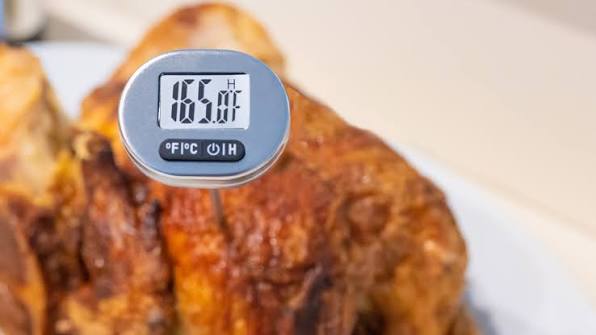
Why is this range considered dangerous?
Bacteria that cause foodborne illness can grow rapidly in warm, moist, nutrient-rich foods. The temperature danger zone is the temperature range between two points that creates ideal conditions for many pathogens, especially when food is left out for extended periods.
That is why Australian food handlers focus on both temperature and time, not just one or the other.
Which foods are most at risk in Australian kitchens?
High-risk foods are typically those that are moist, protein-rich, and ready-to-eat or frequently handled. The temperature danger zone is the temperature range between two points where these foods become risky fastest, particularly during prep, display, transport, or cooling.
Common examples include cooked meats, poultry, seafood, dairy-based dishes, cooked rice and pasta, gravies, soups, and prepared salads.
How quickly can food become unsafe in the danger zone?
Food does not become unsafe instantly, but risk increases the longer it stays in the band. The temperature danger zone is the temperature range between two points where Australian guidance often relies on the 2-hour/4-hour rule to make decisions.
As a practical approach: if food has been in the danger zone for less than 2 hours, they can usually refrigerate it or use it; between 2 and 4 hours, they should use it immediately; after 4 hours, they should discard it.
What is the 2-hour/4-hour rule and how do they apply it?
It is a time-based rule for food that has been between 5°C and 60°C. The temperature danger zone is the temperature range between two points where this rule helps decide whether to chill, use, or throw away food.
Australian cafés, caterers, and community groups often apply it during events, deliveries, buffet service, and prep periods when food may drift out of strict temperature control.
How do they keep cold food out of the danger zone in Australia?
They keep cold potentially hazardous food at 5°C or below using fridges, cool rooms, ice baths, and insulated transport with ice bricks. The temperature danger zone is the temperature range between two points, so their goal is to stay on the cold side whenever food is stored or displayed cold.
They also minimise door opening, avoid overpacking fridges, and use probe thermometers to confirm actual product temperature, not just the fridge dial.
How do they keep hot food out of the danger zone during service?
They keep hot food at 60°C or above in bain-maries, hot holding cabinets, soup kettles, or heated display units designed for holding. The temperature danger zone is the temperature range between two points, so hot holding is about maintaining temperature after cooking, not cooking food in the display unit.
If hot holding equipment cannot reliably maintain 60°C+, they typically switch to time-based service and discard leftovers based on the 2-hour/4-hour rule.
What mistakes push food into the danger zone most often?
The most common issues are slow cooling, underpowered hot holding, leaving food out during prep, and relying on guesswork. The temperature danger zone is the temperature range between two points that catches people when routines drift, like letting trays sit on benches “for a minute” that turns into an hour.
Other frequent mistakes include stacking hot containers in a cool room, covering food too early during cooling, and not calibrating thermometers.
How should they cool food safely and quickly?
They cool cooked food rapidly, then refrigerate, rather than letting large volumes sit at room temperature. The temperature danger zone is the temperature range between two points, so cooling methods should move food through that band as fast as possible.
Common Australian best practice includes portioning into shallow trays, using blast chillers where available, stirring soups in an ice bath, and spacing containers so cold air can circulate.
How should they reheat food safely in an Australian setting?
They reheat food quickly until it is steaming hot, then hold it above 60°C if it is for service. The temperature danger zone is the temperature range between two points, so slow reheating in a bain-marie is a common trap because it can hold food in the risky band for too long.
They typically use ovens, stovetops, or microwaves for rapid reheating, and then transfer to hot holding equipment only after target temperature is reached.
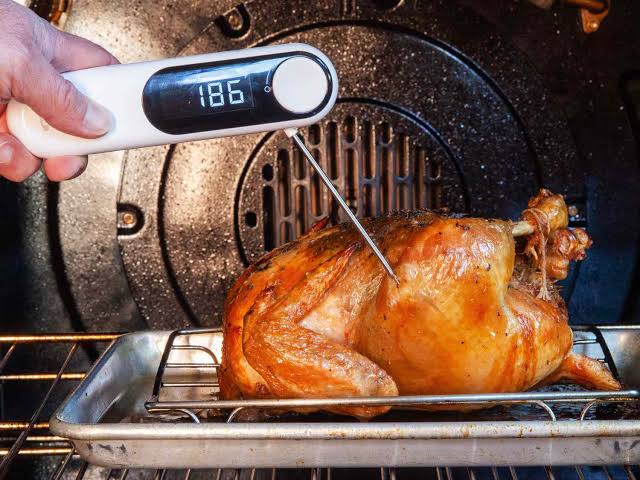
What role do thermometers and records play in staying compliant?
Thermometers turn a guess into a check, and records prove control. The temperature danger zone is the temperature range between two points, so they need a reliable probe thermometer to verify cold holding, hot holding, cooling, and reheating.
Many Australian businesses also use temperature logs for fridges, displays, deliveries, and cooking batches, especially where councils or auditors expect documented food safety practices.
How can they manage the danger zone during transport and delivery in Australia?
They use insulated containers, ice bricks, refrigerated vehicles, or hot boxes depending on the food type and trip length. The temperature danger zone is the temperature range between two points, so the transport plan should focus on keeping food below 5°C or above 60°C from pickup to handover.
For longer trips across metro areas like Sydney, Melbourne, Brisbane, Perth, or Adelaide, they often include temperature checks at dispatch and on arrival.
What should they do if food has been sitting out and they are not sure?
They estimate time and check temperature, then apply the 2-hour/4-hour rule conservatively. The temperature danger zone is the temperature range between two points, so uncertainty usually means higher risk, especially if they cannot confirm how long food has been between 5°C and 60°C.
If they cannot confidently determine time in the band, the safest choice is to discard the food rather than serve it.
How does this apply at Australian barbecues, picnics, and community events?
They plan for the environment, because Australia’s warm weather can heat food quickly. The temperature danger zone is the temperature range between two points that outdoor events hit fast, particularly with salads, seafood, cooked meats, and dairy desserts sitting in the shade.
They often keep cold items in eskies with plenty of ice, serve in small batches, keep the rest chilled, and aim to keep hot foods on the barbecue or in hot holding until served.
What simple checklist can they follow to reduce risk today?
They can reduce risk by controlling time, measuring temperatures, and designing workflows that avoid bench time. The temperature danger zone is the temperature range between two points, so their checklist should focus on keeping food below 5°C or above 60°C whenever possible.
- Keep fridges at 5°C or below and verify with a thermometer
- Hold hot food at 60°C or above and check regularly during service
- Cool food fast using shallow trays and prompt refrigeration
- Reheat rapidly, then hot-hold; do not reheat in bain-maries
- Apply the 2-hour/4-hour rule when food enters the danger zone
- When in doubt about time or temperature, discard the food
The temperature danger zone in Australia refers to the temperature range between 5°C and 60°C where bacteria can multiply rapidly, making food unsafe if not properly controlled.
This range creates ideal conditions for bacteria growth, especially in warm, moist, nutrient-rich foods. Within this band, pathogens multiply quickly if food is left too long without proper temperature control.
The 2-hour/4-hour rule helps manage food safety within the danger zone: if food has been between 5°C and 60°C for less than 2 hours, it can be refrigerated or used; between 2 and 4 hours, it should be used immediately; after 4 hours, it must be discarded to prevent illness.
High-risk foods include moist, protein-rich items like cooked meats, poultry, seafood, dairy dishes, cooked rice and pasta, gravies, soups, and prepared salads that can quickly support bacterial growth during prep, display, transport, or cooling.
Cold foods are kept at or below 5°C using refrigeration methods such as fridges, cool rooms, ice baths, and insulated transport with ice packs. Practices include minimizing fridge door openings and using probe thermometers to verify actual food temperatures.
To cool food safely, Australian kitchens rapidly reduce temperatures by portioning into shallow trays, using blast chillers when available, stirring soups in ice baths, and allowing air circulation around containers. For reheating, they heat food quickly until steaming hot (above 60°C) using ovens or microwaves before placing it into hot holding equipment.