
A team-wide email can tick a box, but it rarely changes how people feel. R U OK Day cupcakes tend to work better because they create a shared moment that is warm, visible, and easy to join, even for quieter staff. In Australian workplaces, that small, tangible cue often opens more real conversations than another message in the inbox.
Why does a team email usually get ignored?
Most team emails are skimmed, saved “for later”, or buried under client work within minutes. Even a well-written note can feel like policy, not care, which makes it easy to emotionally dismiss.
Emails also arrive in isolation. People read them alone, and that is the opposite of what many teams need on R U OK? Day: a gentle, social nudge to check in with each other.
Why do shared treats create better participation on the day?
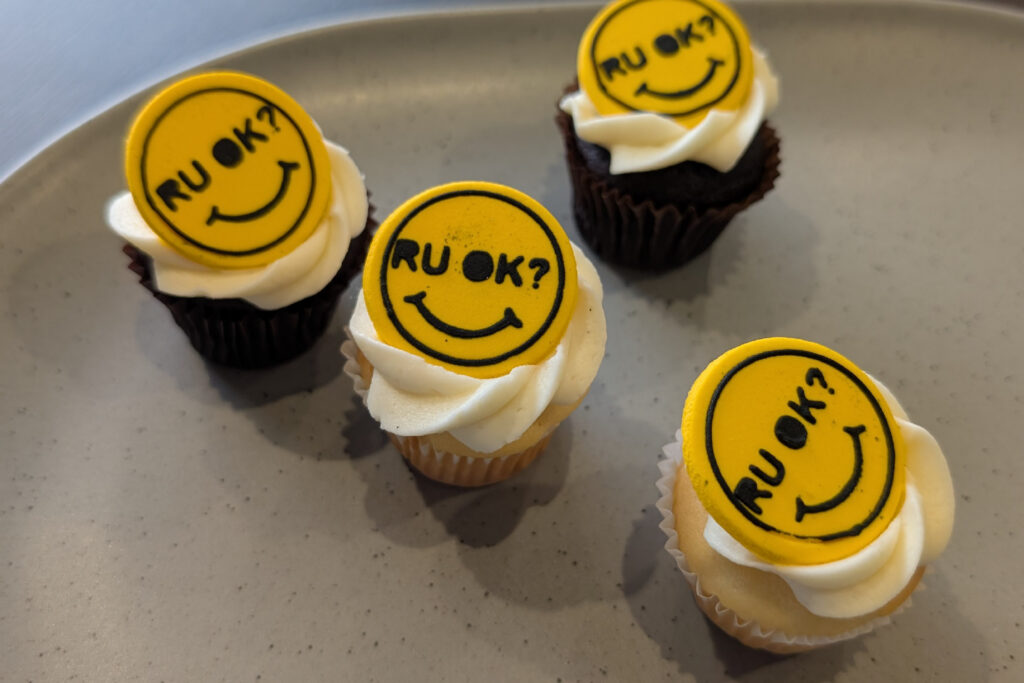
Shared food creates a natural reason to pause together without putting anyone on the spot. R U OK Day cupcakes act as an informal invitation to gather in the kitchen, at reception, or near the breakout space.
Because the cue is physical and public, participation becomes simpler. People can join for ten seconds or ten minutes, and both still count as showing up.
How do cupcakes lower the awkwardness of starting a conversation?
A cupcake gives people something to do with their hands and eyes, which reduces social pressure. Asking, “Which flavour did they get?” is an easy opener that can lead into, “How have they been going lately?”
R U OK Day cupcakes also keep the mood light without making the day trivial. They create a friendly entry point, then allow a more genuine check-in to follow naturally.
Why are cupcakes more inclusive than an email for different personality types?
Emails often reward confident communicators who will reply, comment, or jump into chat threads. Introverted staff can feel they are “supposed” to engage, yet still have no comfortable way to do it.
With R U OK Day cupcakes, participation can be quiet. Someone can take one, smile, and still feel part of the day, which is often the first step towards feeling safe enough to talk.
What makes the gesture feel more authentic than written words?
A workplace can send caring words every month and still feel emotionally distant. A small act that requires effort, such as organising food, setting up a table, and showing up in person, signals sincerity.
When leaders and managers are seen sharing R U OK Day cupcakes alongside everyone else, it feels less like a campaign and more like a human moment.
How do cupcakes help managers have better check-ins?
Managers often struggle to start wellbeing conversations without it sounding formal. Standing near the kitchen table gives them a neutral setting to ask a simple question and listen.
R U OK Day cupcakes can also create natural “micro-moments” across the day. Instead of one big announcement, managers get multiple chances to check in calmly with different team members.
Why does a cupcake table build stronger team visibility than an email thread?
Emails can be forwarded, misread, or ignored, and none of that is visible. A table with R U OK Day cupcakes is instantly noticeable in an Australian office, whether it is in Sydney, Melbourne, Brisbane, Perth, Adelaide, Canberra, Hobart, or a regional site.
Visibility matters because it creates social proof. When people see others taking a minute to connect, they feel permission to do the same.
How do cupcakes support hybrid teams better than another message?
Hybrid teams already live in chat and email. Another written prompt can blend into the daily noise and feel like one more task.
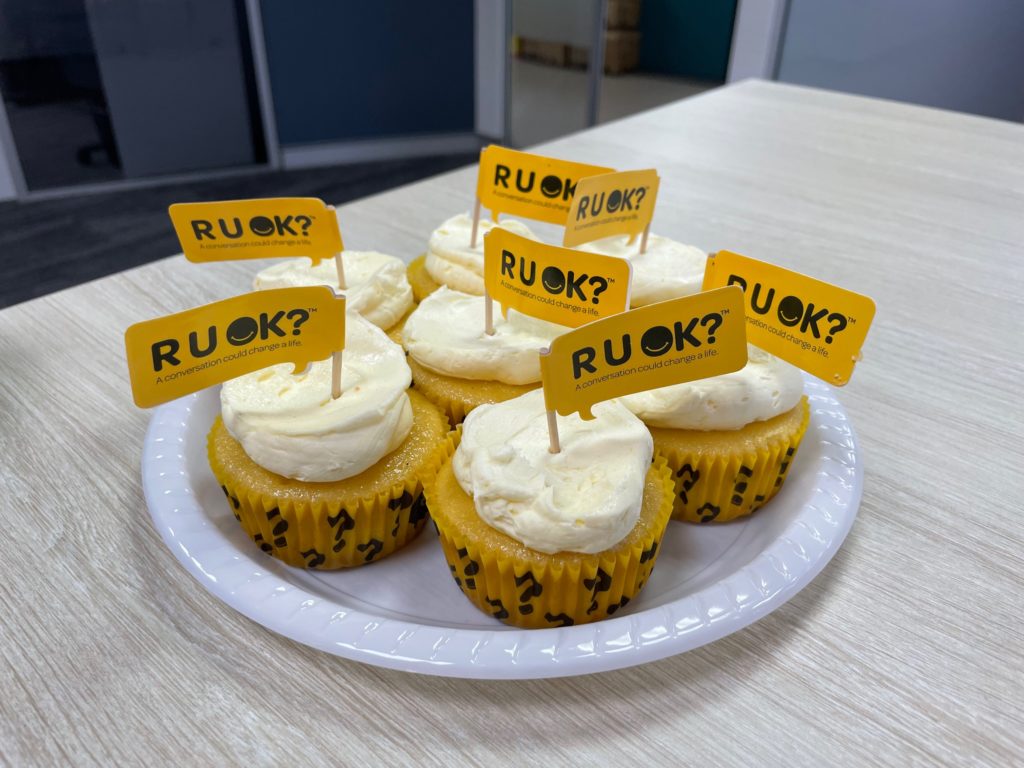
Posting a photo of R U OK Day cupcakes from the office, then offering a simple way for remote staff to join, works better. A small Uber Eats voucher, a local bakery gift card, or a “tea break” video call gives remote workers a comparable moment.
What should workplaces do to avoid cupcakes feeling performative?
Cupcakes only work when the organisation follows through with real support. If the day is treated as a single event with no ongoing care, staff will notice.
To keep R U OK Day cupcakes grounded, workplaces should pair them with practical actions. They can share EAP details clearly, remind staff of leave options, and ensure managers know how to respond if someone says they are not okay.
How can teams use cupcakes to encourage real listening, not forced sharing?
The goal is not to push people to disclose personal issues in public. The goal is to make connection easier and listening more normal.
A simple approach is to place R U OK Day cupcakes near a “quiet corner” seating area and encourage short one-on-one chats. They can also use optional conversation cards with gentle prompts, such as asking what has been making work harder lately.
What flavours, labels, and setup work best in Australian workplaces?
The best setup is simple, clear, and respectful. A small sign can say, “Take a cupcake, take a moment, check in with someone.”
For Australian tastes, a mix usually works: vanilla, chocolate, and a gluten-free option. R U OK Day cupcakes look most inviting when they are individually wrapped or served with tongs, with allergen labels displayed clearly for common concerns.
How can leaders tie cupcakes to a stronger message than “reach out”?
Leaders can use the moment to show what support looks like in practice. Instead of a broad email, they can spend ten minutes present in shared spaces and model checking in with genuine curiosity.
A leader standing with R U OK Day cupcakes can say one clear thing: “They have time to talk today, and they will help staff find support.” That is more powerful than a line in a newsletter.
Why do cupcakes often lead to more follow-up than a single email?
A cupcake moment tends to spark several small interactions, and those interactions can continue in the days after. People remember who asked them how they were doing, and they are more likely to trust a second check-in.
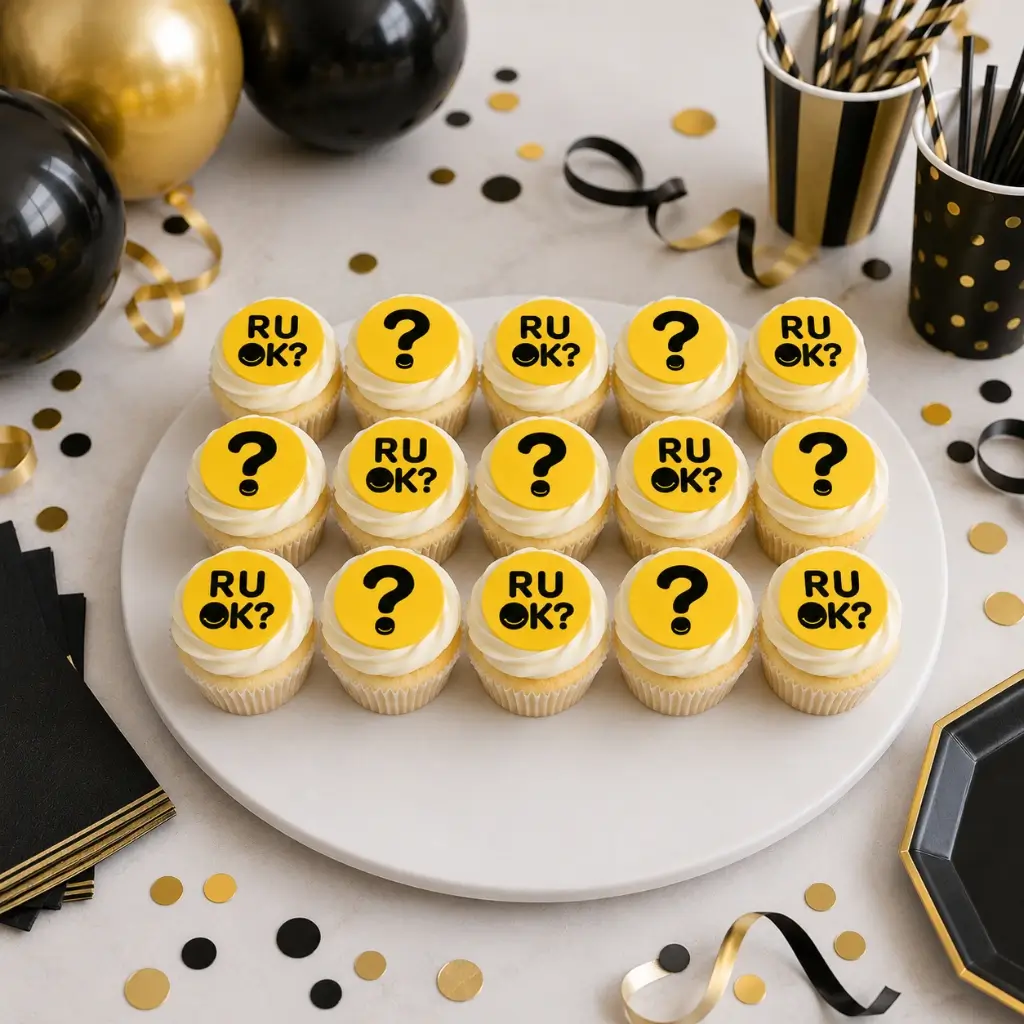
An email often ends when it is read. R U OK Day cupcakes create a memory and a shared reference point, which makes follow-up conversations feel less out of the blue.
What is a simple plan to run cupcakes well without overcomplicating it?
A small team can organise it in under an hour. They can order in advance, choose a central spot, and assign someone to label allergens and keep the area tidy.
On the day, the best approach is to keep it calm. Set out R U OK Day cupcakes, invite people to take a short break, and encourage managers to circulate gently, not hover. Afterwards, they can send one brief message with support links and a reminder that check-ins are welcome all year.
Why do R U OK Day cupcakes work better than a team email overall?
They work better because they create a shared, low-pressure moment that makes conversation easier. A team email is information, while R U OK Day cupcakes are an experience that people can see, join, and remember.
In Australian workplaces, that difference matters. When connection is the goal, a small, thoughtful gesture often beats another message that disappears into the inbox.
FAQs (Frequently Asked Questions)
Why do team-wide emails often fail to encourage genuine engagement on R U OK? Day?
Team-wide emails are frequently skimmed or ignored, perceived as impersonal policy rather than genuine care, and read in isolation. This makes it easy for recipients to emotionally dismiss the message, missing the social connection needed on R U OK? Day.
How do R U OK? Day cupcakes foster better participation among staff compared to emails?
R U OK? Day cupcakes create a warm, visible, and shared moment that naturally invites staff to pause together without pressure. The physical presence of cupcakes encourages informal gathering and allows people to join for any length of time, making participation simple and inclusive.
In what ways do cupcakes lower the awkwardness of starting wellbeing conversations at work?
Cupcakes provide a tangible focus that reduces social pressure by giving people something to do with their hands and eyes. They serve as easy conversation starters—like discussing flavours—which can smoothly lead into more meaningful check-ins about wellbeing.
Why are cupcakes considered more inclusive than emails for different personality types in the workplace?
Emails often favour confident communicators who actively engage in replies or chats, while introverted staff may feel pressured yet uncomfortable to participate. Cupcakes allow quiet participation—taking one and smiling is enough—helping individuals feel part of the day without forced interaction.
What makes sharing R U OK? Day cupcakes a more authentic gesture than sending written messages?
Organising and sharing cupcakes requires effort and presence, signalling sincerity beyond words. When leaders join in physically sharing cupcakes alongside staff, it transforms the event from a campaign into a genuine human moment, fostering real connection.
How can managers use R U OK? Day cupcakes to improve wellbeing check-ins with their teams?
Managers can leverage the informal setting created by cupcake tables as neutral spaces to initiate simple, calm conversations. The multiple micro-moments throughout the day allow managers to check in individually without formality, encouraging open dialogue about wellbeing.
Other resources: When Is Father’s Day 2026, and How Far Ahead Should You Order?